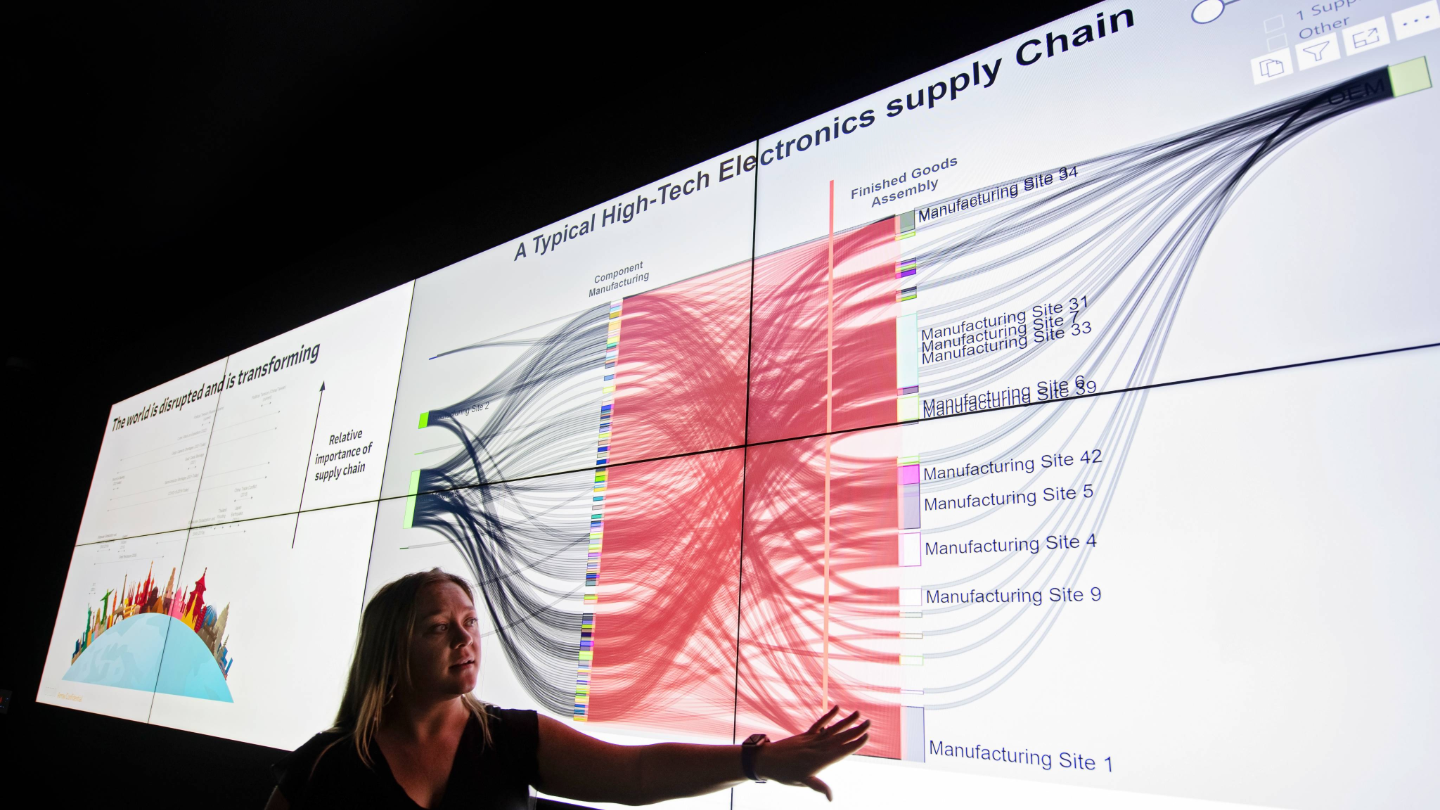
We all know the saying, a picture is worth a thousand words, but with the immersive technology available today, pictures do a great deal more.
Image-driven input and data have become vital to modern technology and applications. As the tech world continues to advance, it is no longer a single image that tells the story, but a fully comprehensive view of the world, whether actual or alternate reality. Consider virtual reality, augmented reality, computer vision, surveillance, gaming, and the metaverse.
360-degree imaging is particularly elevating the stakes when it comes to image-based technology. This technology captures digital images in near real-time. It generates human-like avatars, opening a world of possibilities applicable to the most diverse settings. The opportunities range from aesthetic medical practices, including plastic surgery, hair restoration, and dermatology to police departments, military bases, sports stadiums, airports, high-security buildings, and campuses.
Specific technology helps follow unauthorized people throughout restricted access areas. In many cases, 360-degree imaging can provide safety and security measures through facial recognition, instrumental in airports, campuses, and stadiums that are required to enroll or register visitors and personnel, to keep track of and grant access only to those authorized.
In keeping with the security theme, the use of 360-degree imaging in crime prevention and police departments is growing. The technology allows for full body images to be taken, capturing information that can easily distinguish perpetrators. This data is then used in place of traditional sketches and to run virtual line-ups.
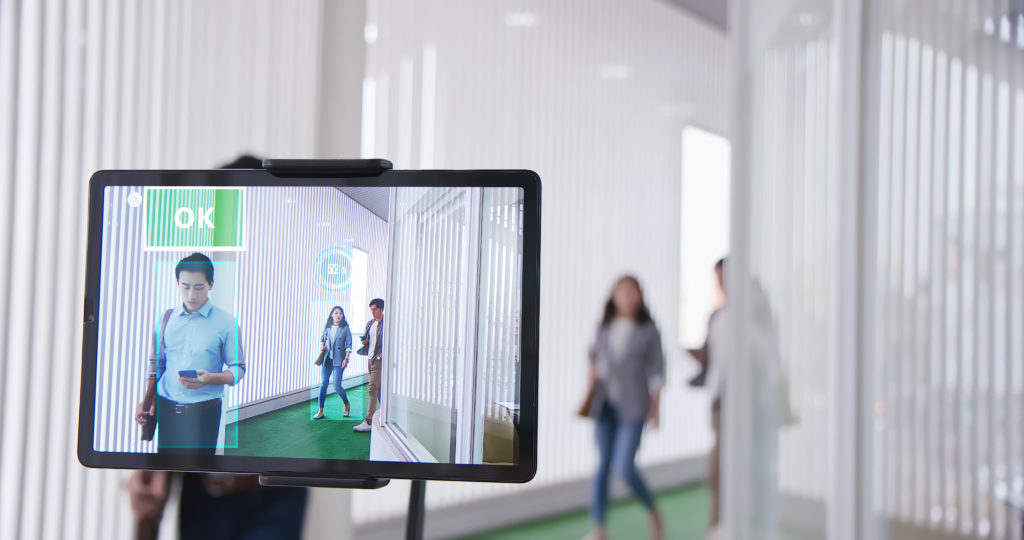
Intelligent digital imaging is also popular in aesthetic medical practices. It can help track the progress of treatments from one visit to the next or provide image-based evidence before and after shots.
Such solutions, generally equipped with 2D and 3D cameras, specific lighting, and rotating arms, synchronize to capture one image every degree as they make a complete 360-degree revolution of the subject. The 360-degree scan generally takes seconds and creates the final avatar in about one minute, and image files are then consolidated into highly detailed video files.
Arrow Electronics works closely with system integrators and hardware and software providers, including oVio Technologies and Intel®, to deliver integrated solutions complete with sensor and computing technology for 360-degree imaging applications.
If you are interested in finding out how Arrow can help you design, build, and deploy 360-degree imaging technology, visit our website.