

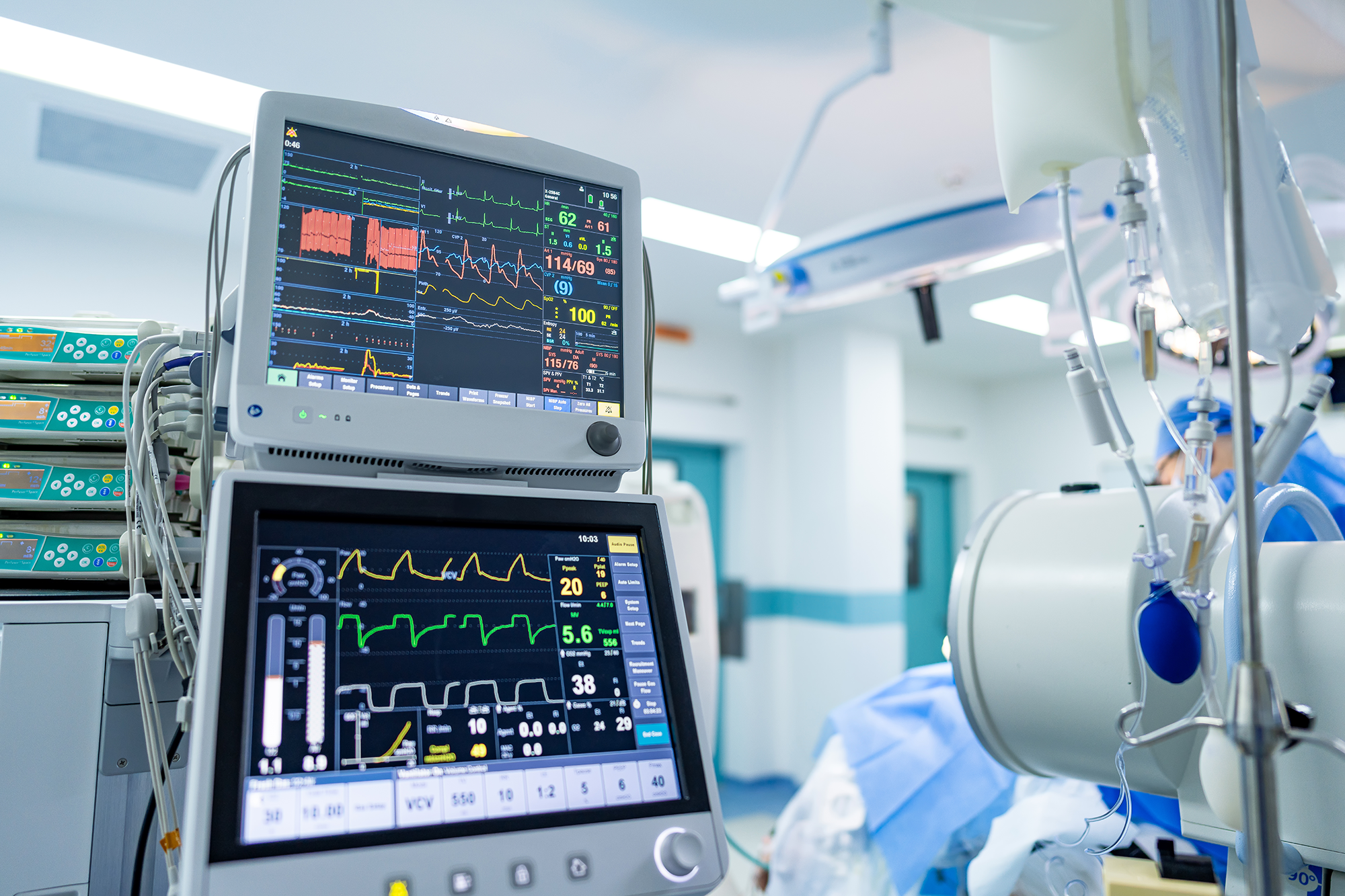
Healthcare organizations face pressure to modernize, secure data, and meet compliance, all while managing tight budgets and high patient volumes. Fast-approaching end-of-life (EOL) on infrastructure disrupts systems, requires requalification of workflows, and leads to unexpected costs.
Executives are left asking: How do we invest in technology that keeps pace with innovation, compliance, and cost?
The Problem
Most commercial technology refreshes every 18 to 24 months. Frequent technology refresh creates chaos in healthcare. New devices or drivers mean revalidation, regulatory review, and retraining. For hospitals using imaging, lab, or monitoring devices, these disruptions impact operational efficiency and continuity, and patient care.
It’s not just an IT inconvenience; it’s a business risk. When suppliers unexpectedly change components or firmware, healthcare teams must rebuild compliance documentation, recertify interfaces, and retest software that previously worked.
The financial impact of short lifecycle infrastructure is hidden in operational friction:
- Costly recertification and revalidation
- Procurement delays caused by supply gaps
- Extended downtime in critical clinical systems
- Compromised compliance reporting
The Insight
Long-life infrastructure gives organizations control. Hardware consistency for 5 to 10 years means stable validation cycles, budgets, and innovation plans. With long-lifecycle systems like HP Z platforms, executives can:
- Maintain validated hardware configurations over time
- Simplify compliance management with consistent documentation
- Plan technology refreshes around strategic needs instead of vendor timelines
- Extend depreciation across 5 to 10 years to reduce total cost of ownership
A predictable platform isn’t just reliable; it’s also predictable. It’s financially responsible and operationally resilient.
What Stability Looks Like in Practice
Imagine a hospital that deploys HP OEM compute systems across its imaging network. Each workstation maintains the same validated configuration for years, supported by HP’s proactive end-of-life reporting and long-term parts availability.
When new applications are added, IT teams integrate them confidently, knowing the platform stays compliant and stable. Consistency across sites and departments boosts efficiency, reduces risk, and supports patient care.
The Business Outcome Executives who prioritize lifecycle stability achieve measurable results:
- Lower operational risk through predictable technology behavior
- Stronger financial planning with fewer surprise refresh costs
- Faster adoption of innovation because systems stay validated longer
- Greater confidence with regulators and auditors through continuity of compliance
This is the foundation of sustainable digital transformation in healthcare.
The Decision
Choosing long-lifecycle infrastructure is a strategic investment in reliability, compliance, and agility. It protects capital, preserves certifications, and keeps focus on better outcomes for patients and providers. When healthcare builds on platforms designed to last, organizations stop reacting to hardware change and start driving strategic progress. Learn why over 70% of the world’s largest medical device OEMs work with Arrow to advance their medical innovations*