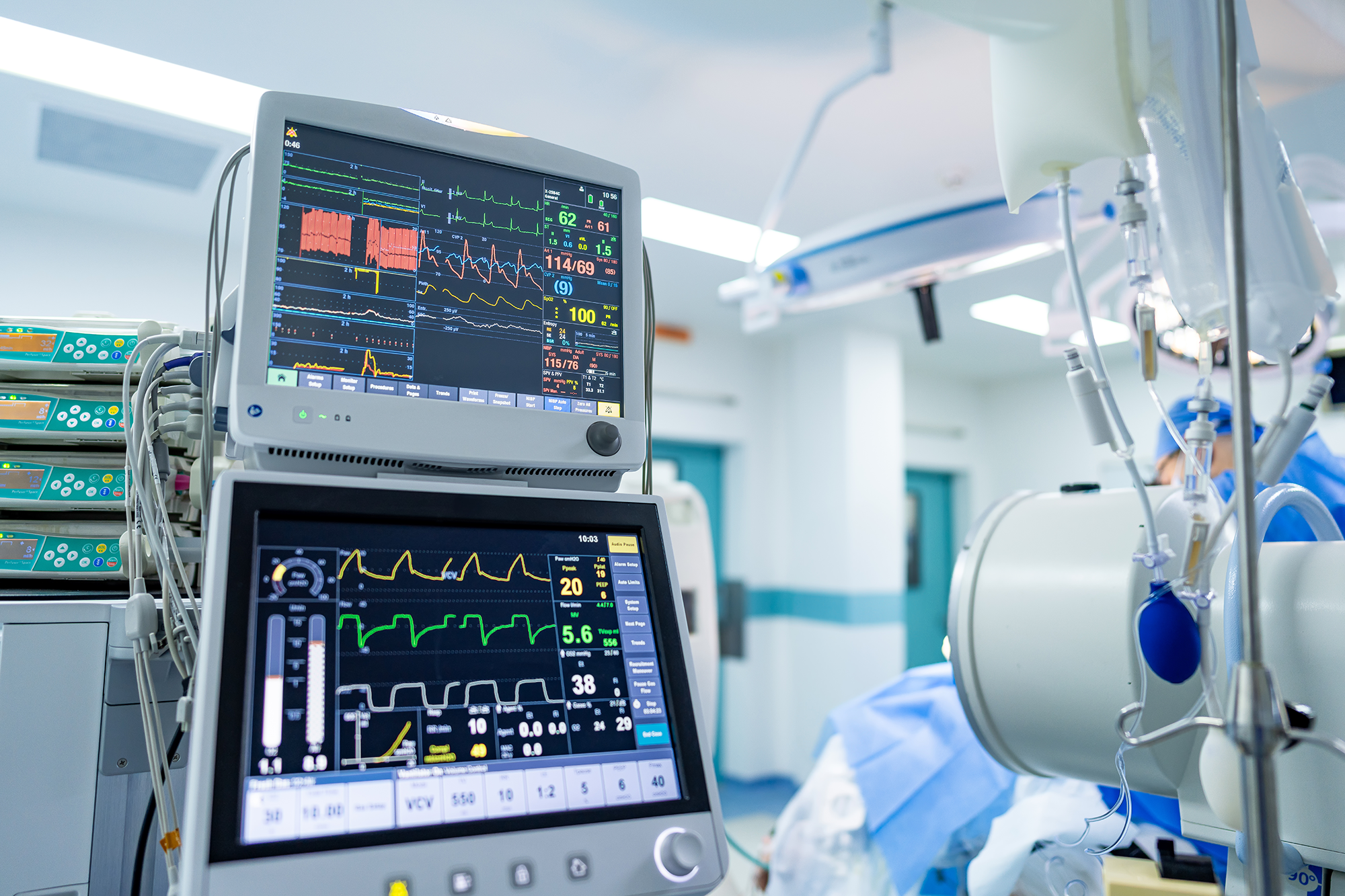

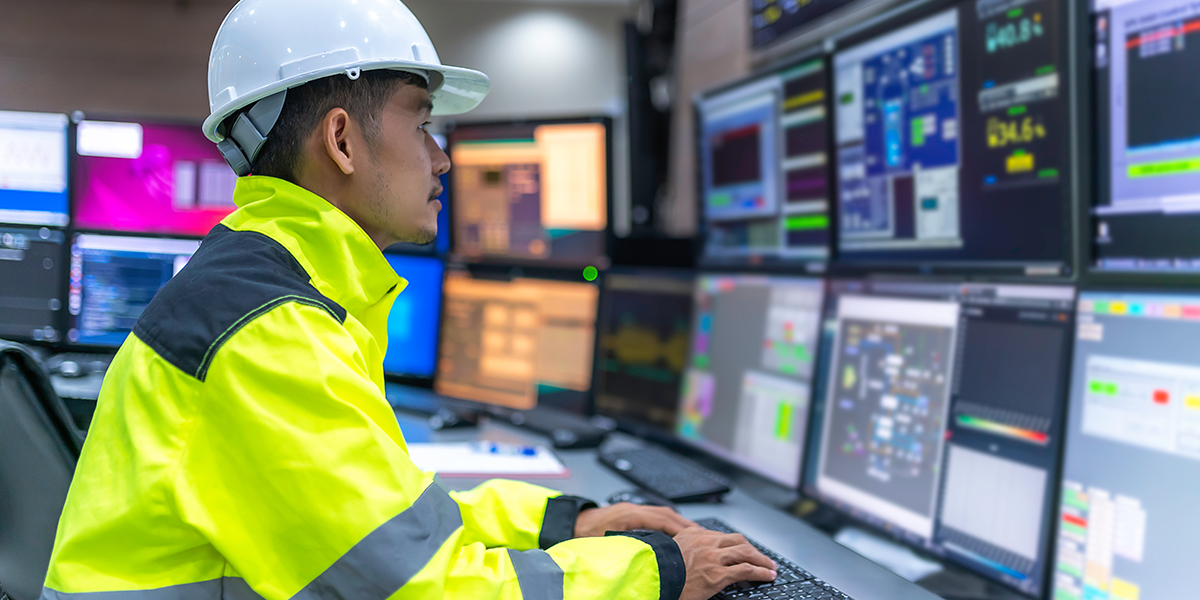
Not long ago, enterprise infrastructure was confined to controlled spaces behind secured doors and raised floors. Now, it operates in locations never intended for mission-critical compute: mobile carts on hospital floors, locked cabinets on factory lines, retail back-room closets, and control rooms overseeing facilities. Infrastructure has moved closer to where work happens.
Imaging systems (such as medical or industrial cameras), robotics platforms (autonomous machines), sensor arrays (groups of linked sensors), and video analytics engines (software that processes and interprets video feeds) continuously generate information. However, bandwidth constraints, latency sensitivity (the need for quick response times), and costs make it impractical to centralize every workload. As a result, this shift introduces challenges that extend beyond technology.
From Fortress to Field Environment
Data centers offer predictability, managed by on-site technical experts. Closets and cabinets present limited power, minimal cooling, constant dust, and vibration; yet workloads in these environments keep growing in complexity.
As deployments scale, variability becomes an operational challenge. Frequent hardware changes increase validation cycles, pulling teams from key business tasks. Stable, long-life platforms enable organizations to standardize extended-lifecycle hardware, preserve validated configurations, reduce redesigns, and control total cost.
Distributed environments demand remote management, including hardware diagnosis and recovery without onsite technicians. Additionally, security must be enforced at the device level, from ensuring firmware integrity to configuration control.
|
Parameter |
The Data Center (The Fortress) |
The Operational Edge (The Frontier) |
|
Climate Control |
Chilled, filtered, and monitored |
Variable heat and restricted airflow |
|
Air Quality |
Pristine and dust-free |
Particulate matter, dust, and debris |
|
Accessibility |
On-site technical experts |
Store managers with a flashlight |
|
Physical Space |
Standardized racks in conditioned rooms |
Cabinets, carts, and broom closets |
|
Equipment lifecycle |
18 to 24 months |
Must run five to 10 years with minimal intervention |
A Platform Strategy for Distributed Complexity
Meeting these requirements across hundreds of sites is not straightforward. Organizations need platforms that work as well in a hospital closet as in a control room and that remain stable long enough to justify the investment in validation and deployment.
The HP Z portfolio was designed with these realities in mind, spanning rack-mounted and compact workstation platforms purpose-built for distributed compute:
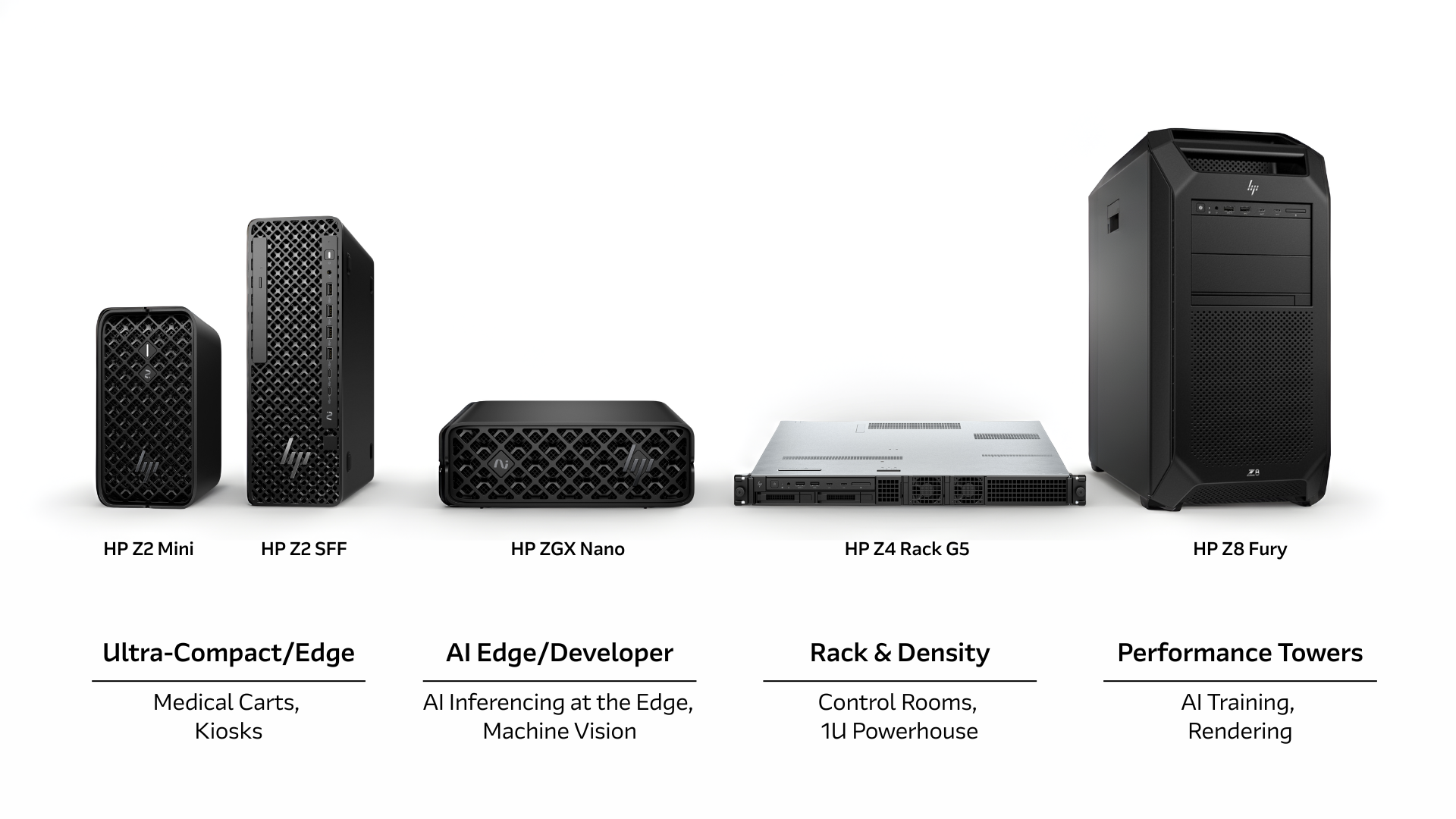
- Z4 Rack G5: 1U rack-mount workstation for dense deployments in control rooms, hospital IT closets, and industrial environments. Quiet operation and remote manageability in a slim chassis.
- ZGX Nano AI Station: Compact desktop AI workstation powered by the NVIDIA GB10 Grace Blackwell Superchip. Supports models up to 200 billion parameters for on-device prototyping, fine-tuning, and inferencing.
- Z4, Z6, and Z8 Tower Series: Server-class performance for 3D modeling, AI, and simulation. Intel Xeon processors, ECC memory, multi-GPU support, and modular architecture for field upgrades.
- Z1 and Z2 Series: Professional workflows in compact and traditional form factors. From CAD and BIM to advanced 3D design and rendering, without the footprint or cost of high-end systems.
Beyond physical design, lifecycle stability is central. HP’s OEM-focused strategy emphasizes extended service life, platform consistency across generations, built-in remote management capabilities, and long-term servicing options that support validated deployments over multi-year horizons. This approach helps organizations avoid reactive hardware turnover and align infrastructure evolution with strategic planning.
Arrow’s Intelligent Solutions: Engineering Discipline at Scale
Selecting the right platform is only one element of distributed success. Execution discipline determines whether consistency is achieved at scale.
Systems must be configured, validated, and tested before deployment. Thermal performance must be evaluated for enclosed cabinets. Firmware settings must align with workload demands. Imaging and assembly processes must be standardized to avoid variability between sites.
Arrow addresses this gap across the full deployment lifecycle. From platform validation through global fulfillment, Arrow’s engineering and integration teams help ensure that every system is configured, tested, and delivered to the same standard, regardless of volume or geography.
What Arrow delivers:
- Engineering validation: Thermal and mechanical testing, BIOS configuration, GPU and workload optimization
- Full system integration: Custom imaging, assembly, branding, cabling, rack integration, and global manufacturing
- Supply chain management: Multi-year forecasting, predictable component continuity, and worldwide logistics
- Deployment support: Staging, monitoring, and proactive warranty management across distributed deployments
Five Questions Worth Asking Now
For leaders responsible for distributed edge infrastructure, the following questions can help clarify risk, cost, and long-term sustainability:
- Is your hardware refresh horizon aligned with capital planning cycles, or driven by vendor end-of-life timelines? The difference has operational and financial implications.
- How many distinct hardware configurations exist across your distributed sites today? If the answer is more than a handful, that variability is compounding operational complexity with every deployment.
- When a hardware component changes in your distributed deployment, what does revalidation cost in engineering time and compliance documentation? If that cost is not measured, it is almost certainly being underestimated.
- Can your team recover a failed node at a remote site without dispatching a technician, and do you know the fully loaded cost when one is required? If neither answer is clear, the exposure is likely larger than assumed.
- Are your deployed platforms capable of supporting AI and inferencing workloads at the edge, or will emerging requirements force a parallel hardware investment? The cost of running two infrastructure strategies should be planned for.
How Arrow and HP Help
Distributed compute is expanding into environments that were never designed for mission-critical workloads. HP provides long-lifecycle platforms engineered for these conditions. Arrow helps ensure they are validated, integrated, and delivered consistently at scale. Together, they give organizations a foundation that holds across hundreds of sites and years of service.
Connect with an Arrow HP OEM Specialist
Learn how Arrow and HP Z Workstations can support your next distributed deployment.