

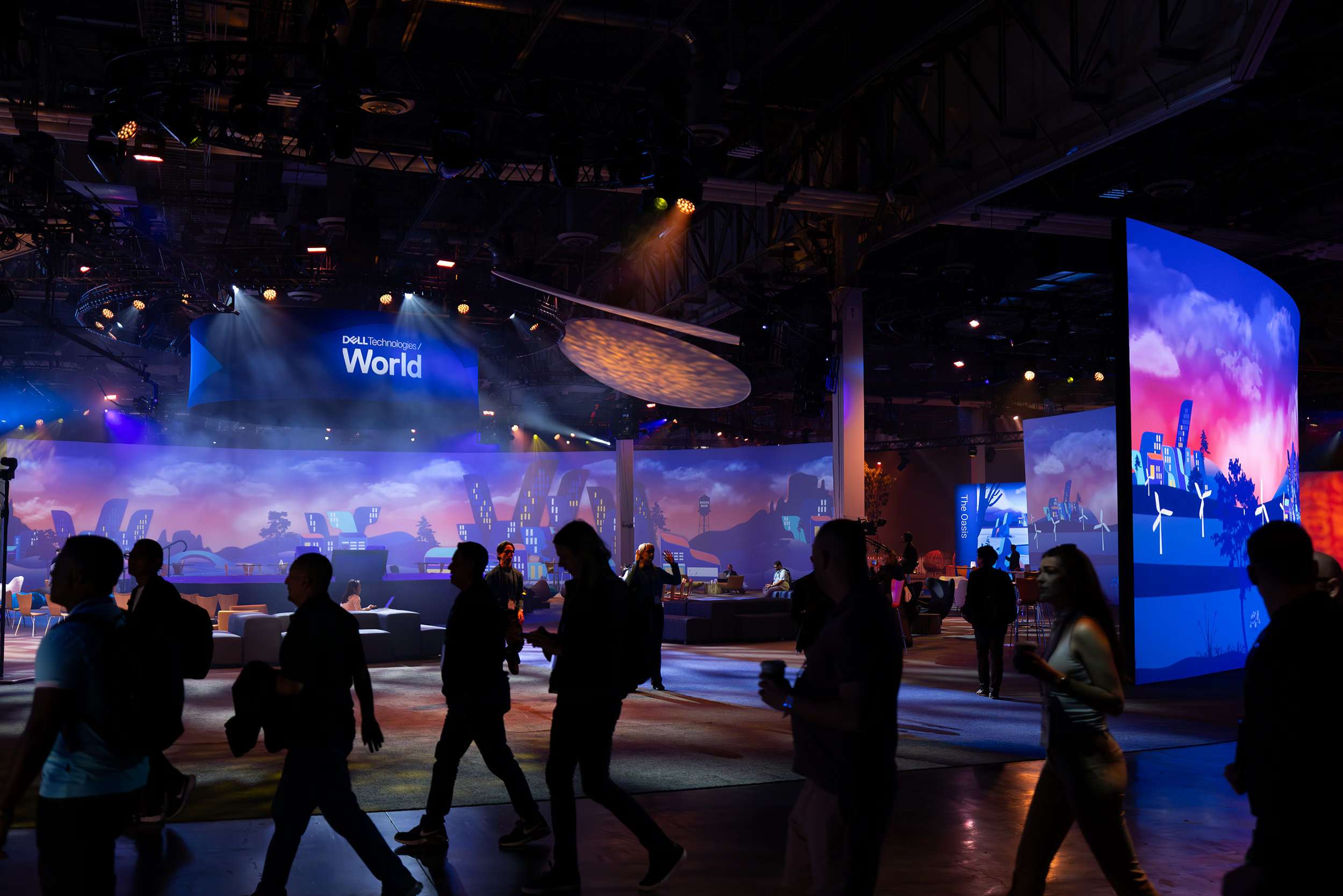
Flying into Las Vegas for Dell Tech World this year felt like an adventure.
The winds were howling, the plane dipped and swayed, while palm trees along the strip bent in ways that seemed to mirror the excitement and anticipation of the week ahead.
It was one of those arrivals where you assume the week ahead might be equally turbulent.
And then, as quickly as the turbulence started, it was no longer.
Eventually, the winds died down, the skies cleared, and Vegas settled into one of those beautifully calm desert weeks. Inside Dell Technologies World, the conversation was just as steady, intentional, and grounded as the flights out of Harry Reid the day before.
While the arrival was chaotic, Dell’s message was anything but. The mantra guiding the week pointed towards a new era: AI has moved from experimentation to infrastructure, and the industry is ready to build on it, spanning from the desktop to the datacenter.
Into the Limelight
One of the clearest signals from the week was that AI is no longer being framed as a bolt-on capability or an isolated innovation project. It’s infrastructure now, and that distinction matters.
What’s important to note is that when something becomes infrastructure, the expectations of the adopters change: reliability and security are assumed and non-negotiable. And seemingly boring things like TCO and lifecycle management take the place of the “Marvel and Gasp” effect AI once had.
This is especially true for OEMs, ISVs, and solution builders, where infrastructure decisions directly influence what you can productize, how you scale, and the sustainability of your solution over time. And Dell’s messaging reflected that maturity. Less hype, more “here’s how this actually works in production.”
Desktop to Datacenter
Another theme that resonated strongly was placement. AI isn’t a single-location workload anymore. It doesn’t live exclusively in hyperscale clouds, nor is it simply a pocket assistant on a mobile app. In fact, the reality is quite simple (and boring). AI as infrastructure is as commonplace as water, power, and the internet.
For solution builders, this shift to utility is exciting. It opens the door for everyone to design purpose-built systems–desktop, edge, or rack-scale–that align to specific outcomes rather than generic architectures.
This is where relationships like the one between Arrow and Dell shine, and that message was clear as Arrow’s intelligent solutions business was recognized as both the 2026 OEM Partner of the Year America and the 2026 OEM Marketing Partner of the Year.
This current environment is where integrators like Arrow do their best work: taking components, software, and intent, and turning them into validated, branded, deployable systems that OEM customers can deliver.
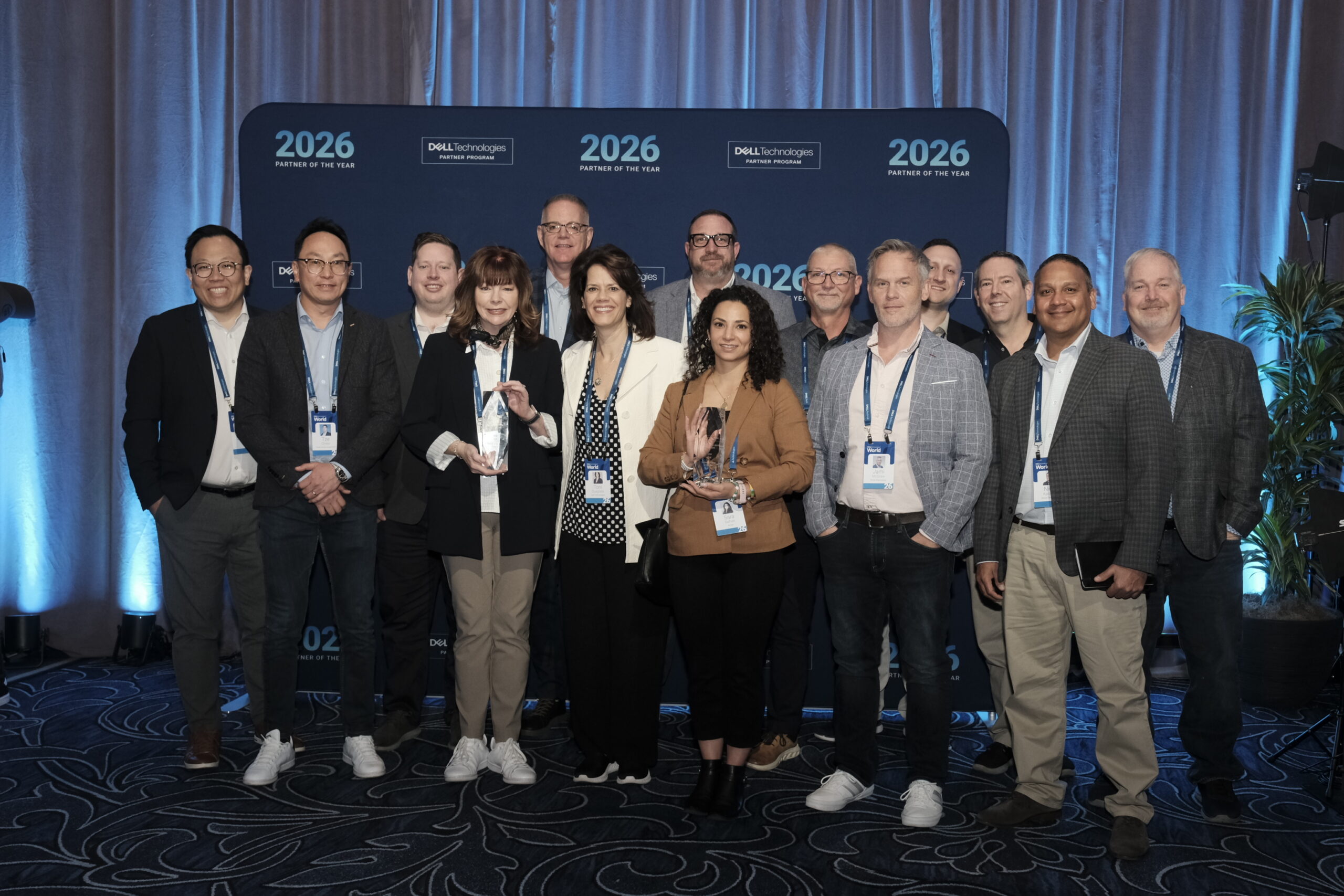 Image: Arrow’s intelligent solutions business wins 2026 OEM Partner of the Year America and the 2026 OEM Marketing Partner of the Year at Dell Tech World 2026
The Real Headwinds: Allocation and Scarcity
While the weather eventually calmed down as the conference kicked off, discussions about industry headwinds did not, and Dell didn’t pretend otherwise, echoing the same sentiment as the rest of the industry.
AI infrastructure lives in the real world, which also means even the best solutions are shaped by availability and constraints. Components like memory, drives, and GPUs can make or break a successful deployment. The clear emphasis at the event was that planning and lifecycle management have never been more critical for OEMs and ISVs. And contingency and succession planning MUST be top of mind for the product and engineering teams behind their IP.
The fact that AI is “market-ready” just as the very technology that drives it has hit demand constraints is an undeniable indicator of scale. What stood out the most was the acknowledgment that good architecture and reliable collaborations matter now more than ever under these conditions. In short, AI infrastructure must be resilient not just to failure but also to scarcity.
To echo my previous point, this is exactly where ecosystem partners like Dell and Arrow shine, especially when they work together.
Closing Thoughts
The winds on arrival were dramatic, but brief. What followed was a calm, focused week with a clear message: AI is real. And while it’s settling into its role as infrastructure, from desktop to datacenter, it is equally shaped by real-world constraints and real customer needs. AI’s early chaos, rapid innovation, supply constraints, shifting architectures, will, with the right strategy and collaborations, give way to something more stable and intentional.
Here’s to smoother deployments ahead. We’d love to connect with you at Dell Tech World 2027!