
- Arrow Intelligent Solutions /
- Resource Library /
- Arrow Intelligent Solutions Blog /
- 5 Key Takeaways from NVIDIA GTC 2026: Execution Is the New Differentiator

NVIDIA GTC continues to be a useful checkpoint for anyone building AI systems; not always for entirely new ideas, but because it shows which ones are ready to scale.
This year reinforced patterns many of us have already been tracking. AI is becoming more agent driven, more physical, and far more dependent on thoughtful system design. The conversation has matured from what’s possible to what’s deployable, and that’s a very good thing.
From agentic AI and robotics to full-stack integration, NVIDIA GTC made it clear that the next phase of AI belongs to teams who know how to turn technology into working solutions, not just impressive demos.
Here are five takeaways from NVIDIA GTC that stood out for me: a focus on what’s practical, grounded, and ready for deployment. Each signals a shift toward real-world AI adoption.
1. Agentic AI Has Officially Left the Lab
Agentic AI wasn’t theoretical this year; it was operational. We’ve moved beyond “here’s a cool model” into systems of agents that plan, retrieve, reason, and act.
The catch? Agents are hungry. They need low-latency inference, fast memory, and infrastructure that doesn’t blink when workloads spike. This is no longer a software-only conversation; it’s a full-stack engineering problem. (and yes, GPUs are still doing the heavy lifting).
Most importantly, at the agent level, tokens are the fuel. Every plan, retrieval, decision, and action consumes them. When agents operate continuously rather than per prompt, token efficiency becomes an economic decision, not a technical one. Optimizing how, where, and when tokens are generated is now directly tied to system cost and scalability.
2. Robotics Is No Longer the “Future” Slide
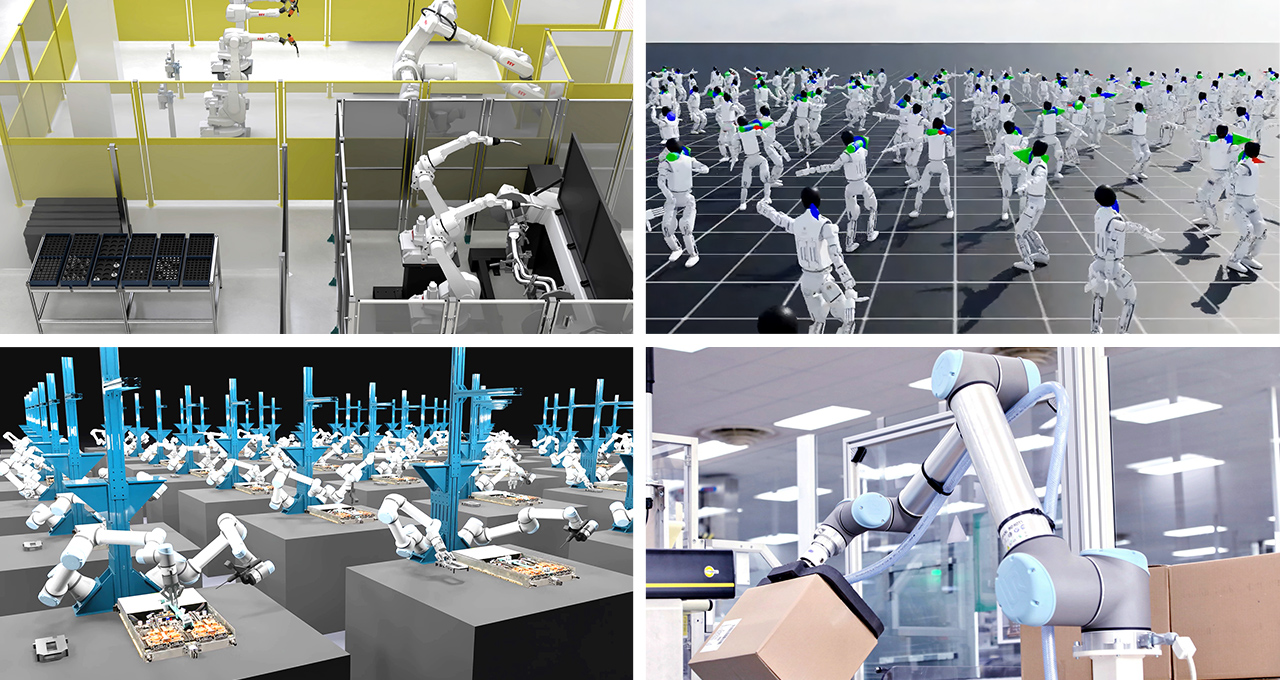
Robotics showed up to NVIDIA GTC like it owned the place. And it kind of does. What stood out wasn’t just the robots, but the AI pipelines behind them:
- Simulation first development
- Vision based perception
- Real time decisioning at the edge
Robotics has arrived as a serious AI workload, demanding high performance, reliability, and scale. No more crashing into walls!
3. Physical AI Is the New Stress Test
If generative AI stretches infrastructure, physical AI stress tests it.
Latency matters. Power matters. Thermal budgets matter. And when AI is driving machines instead of chat windows, “close enough” is no longer acceptable.
Real-world AI demands purpose-built, engineered end to end systems, not loosely assembled parts.
4. Infrastructure Is the Secret Sauce (Still)
Integration drives outcomes, not standalone parts. The messages at NVIDIA GTC reinforced this everywhere.
The winners aren’t just picking GPUs or models. They’re aligning:
- Accelerated compute
- Validated platforms
- Software that’s already tested, integrated, and deployable
Deploying AI succeeds when the system works right out of the box.
5. Builders Win, Spectators Watch
NVIDIA GTC was about builders building, not hype.
OEMs, ISVs, and solution creators who can turn IP into repeatable, scalable systems are the ones pulling ahead. AI is moving fast, but velocity without execution creates a bigger mess.
The advantage is knowing how to engineer, integrate, and deliver from edge to data center without reinventing the wheel every time.
Closing thoughts
One message was clear throughout NVIDIA GTC: the advantage now belongs to teams that move past flashy demos and focus on system-building discipline, robust integration, and real-world delivery. It’s about those turning ideas into systems that show up, power on, and perform as expected in production.
That takes engineering discipline, integration experience, and a healthy respect for reality. AI at scale doesn’t reward shortcuts, and it doesn’t care how confident the demo sounded or the number of claps.
The next phase favors builders: those who can confidently design, integrate, and deploy from the edge to the data center. In the real world, builders win through reliability, repeatability, and post-launch results, not applause.
If you’re interested in learning about how Arrow and NVIDIA work together, check out our solutions here.
Related Posts



Jami McGraw is a product-focused technologist with over 25 years of experience, 20+ industry awards and more than 150k solutions live and in use today across the globe. He is an active contributor to today’s technology movement with a specialization in audio, video and AI applications. Jami began his career at Arrow in 2013 as a consultant and product developer for broadcast and video technology. In addition to his role at Arrow, Jami is also an audio engineer and author for industry AV magazines and publications.
Sign up for the newsletter
Stay in the loop with the latest news, updates, and more from Arrow’s Intelligent Solutions. Sign up today for our free monthly newsletter.