
Sorry, there was an error loading the page.
Please refresh the browser and try again. If the problem persists please contact us
High-quality, low-power Hyperlux image sensors
"."Discover onsemi’s Hyperlux sensing portfolio, featuring a diverse range of image and depth sensors tailored for automotive, industrial and commercial applications.
Image sensing is a critical element of a variety of modern technologies — automation, robotics, security systems, medical applications, drones, traffic cameras and driver assistance systems, are just a few examples where image sensing ensures that critical tasks are accomplished without a glitch. Image sensing has seen massive growth in recent years due to its increased application in vision systems for IoT. Embedding the right image sensor technology into IoT end nodes can drive greater accuracy in inspection, depth sensing, object recognition, and tracking.

Beyond the Human Eye: Multispectral, microscopic and high-speed imaging are good examples of vision capabilities that can be incorporated into cameras to identify special aspects of products, personnel, or processes, regardless of the environment.
Reach: Cameras can go to places that humans cannot go. This makes cameras particulaly valuable in mundane applications like pipe inspection to livesaving applications in internal medicine. Space exploration and underwater exploration would not be possible without cameras.
Exceptional Quality: Special cameras allow for quality levels that no amount of human inspection can afford. Contactless dimension measurement, defect identification, etc. are just a few cases where image sensors augment human processes and ensure that standards for quality are met.
Artificial Intelligence: Cameras have become invaluable for artificial intelligence. Facial recognition for security, occupancy detection, damage assessment, gesture detection, etc. are key applications making our world safer and helping users engage with providers in new ways.
A Complete Image Sensing System
A typical image sensing system has three main hardware components - an image acquisition block comprising optics and the image sensor, a processing engine to analyze and act on the information, and a communication interface to connect to the external world. All these components play a significant role in the performance of an imaging system. Proper selection and integration of all these components, including cameras, sensors, processors, firmware, drivers, application software, and cables result in optimal system performance.

Designed to Address Challenges for Smart Home
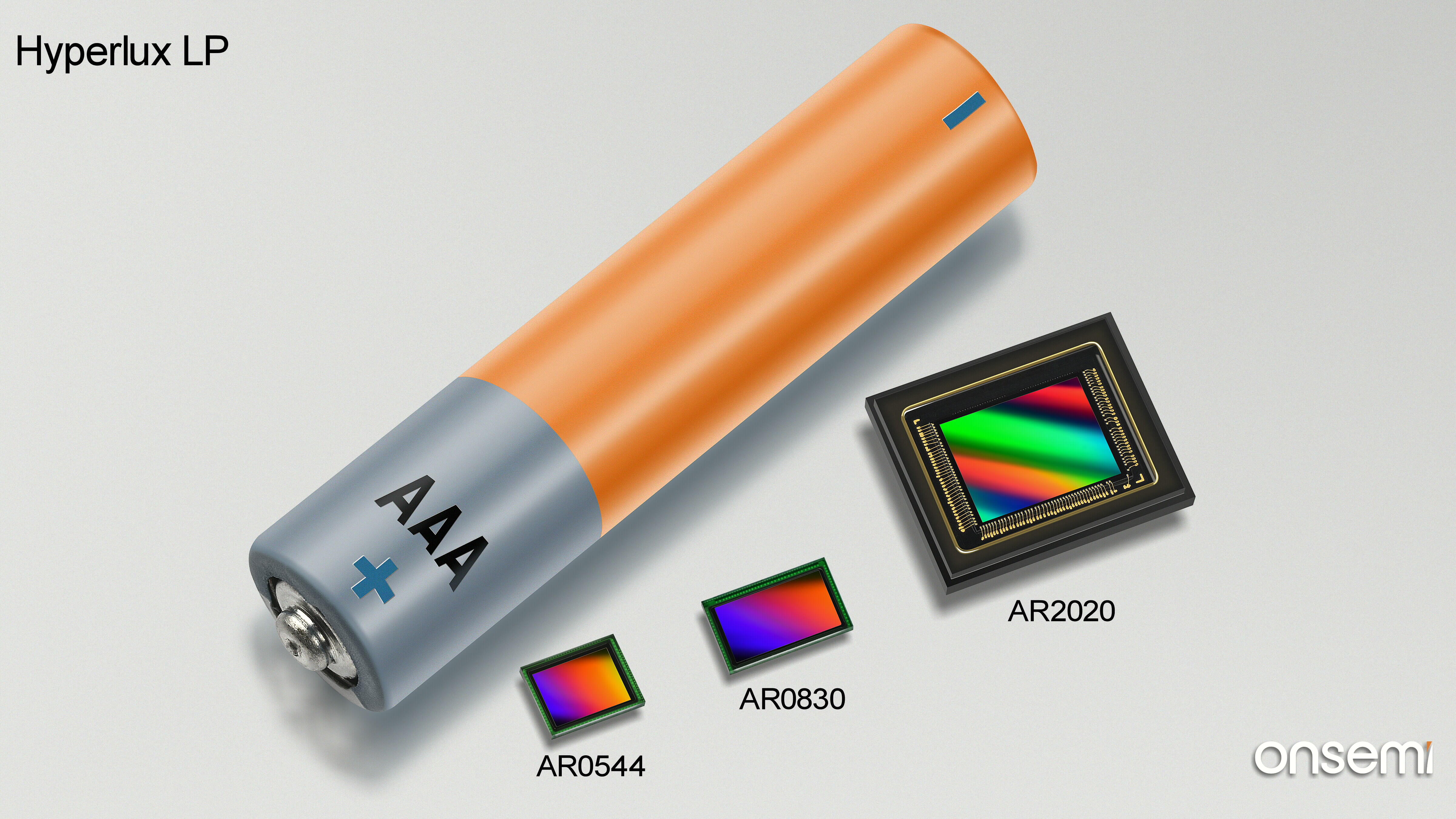
- Improves battery life by 2x over existing architectures
- Wake-on-Motion Mode < 2mW
- 2x battery life over competitors
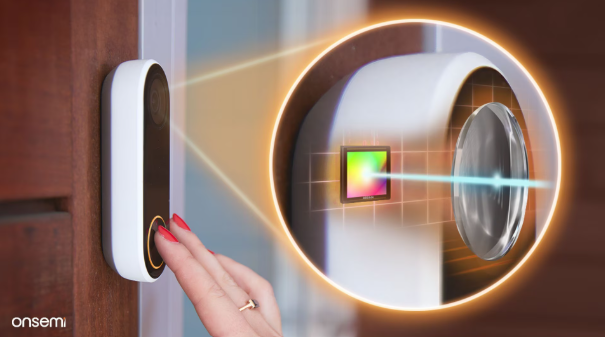
- Low-light: Superior 1.4 um BSI pixel
- NIR: 45% QE at 850 nm
- Speed: Up to 20 MP at 60 fps
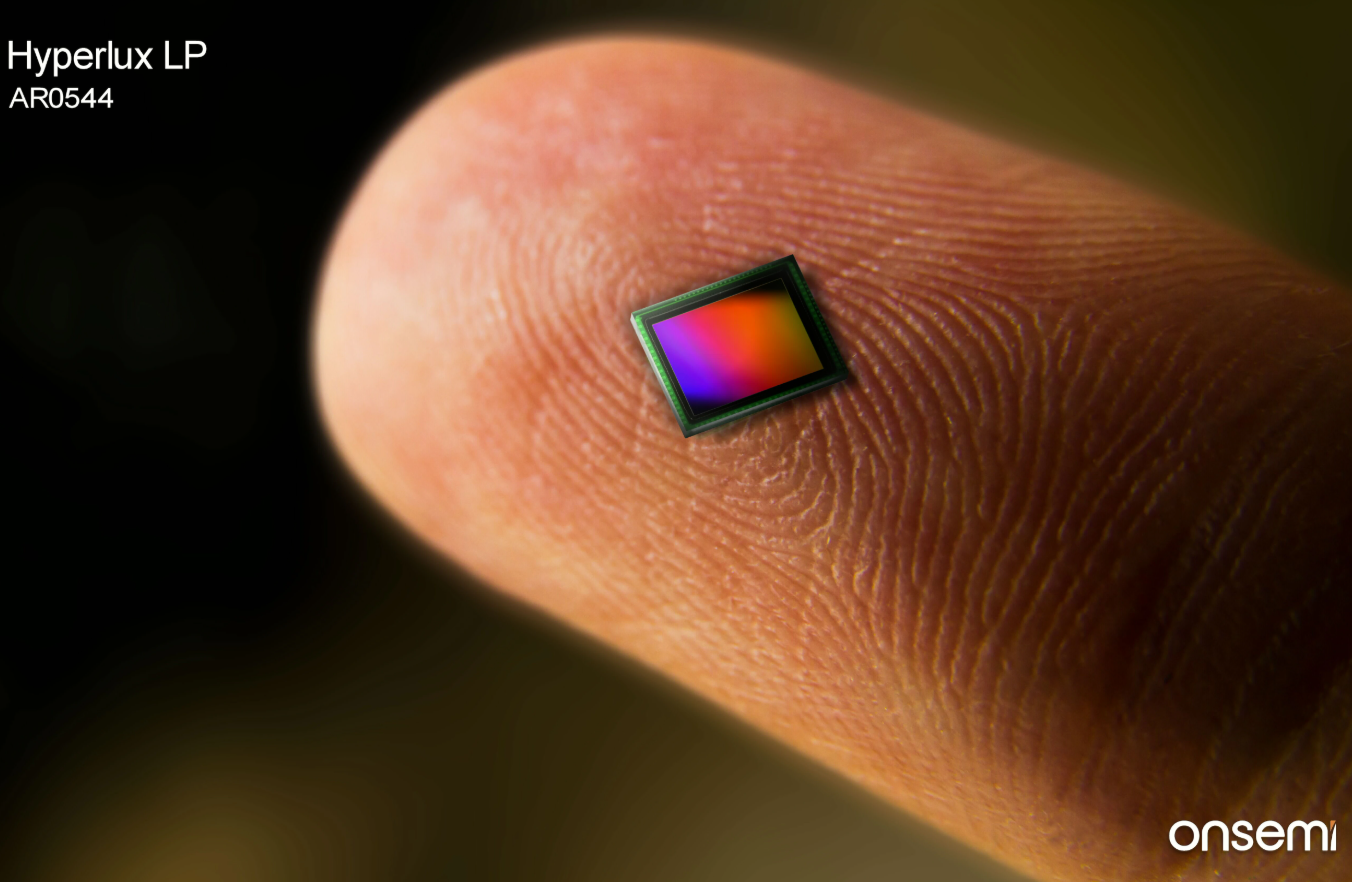
- Stacked BSI architecture enables smallest possible form-factor
- Family design approach
- 5 MP, 8 MP, 20 MP available now
Hyperlux LP - Ultra Low-Power, Small footprint, High-Resolutions
Industry Leading Low-Power and Performance
- • Power-efficient family design scales with resolution / frame rate
- • Stacked sensor architecture enables small-footprint with high performance
- • High-performance 1.4 um BSI pixel performs in low-light conditions

Industry Leading Low-Power and Performance
- • Power-efficient family design scales with resolution / frame rate
- • Stacked sensor architecture enables small-footprint with high performance
- • High-performance 1.4 um BSI pixel performs in low-light conditions

Multiple Sensor Options for Versatility/Scalability
- • Platform approach with driver, tuning, register compatibility
- • AR2020 - 20 MP, 1/2” at 60 fps with Smart ROI - (ES - Now, MP - Q4 ‘23)
- • AR0830 - 8 MP, 1/3” at 60 fps - (ES - Now, MP - Q4 ‘23)
- • AR0544 - 5 MP, 1/4” at 60 fps - (ES - Now, MP - Q4 ‘23)
- • Wide Range of applications: Video Conf., Robotics, MV, AMR, AR/VR
| Key Parameters | AR0544 | AR0830 | AR2020 |
| Resolution | 5MP, 2592 x 1944 | 8 MP, 3840 x 2160 | 20 MP, 5120 x 3840 |
| Pixel, Color Filter | 1.4 µm BSI, RGB/Mono/RGB-IR | 1.4 µm BSI, RGB/Mono/RGB-IR | 1.4 µm BSI, RGB/Mono/RGB-IR |
| Optical Format | 1/4.2-inch (4:3) | 1/2.9-inch (16:9) | 1/1.8-inch (4:3) |
| Chief Ray Angle | 110,330 | 110,350 | 130 |
| Input Clock Range | 6-48 MHz | 6-48 MHz | 6-48 MHz |
| Output - Serial | 1-Lane CPHY / 2-Lane DPHY MIPI, 1.6G/Lane | 4-Lane MIPI, 1.5G/lane | 2x4-Lane MIPI, 2.0G/Lane |
| Frame Rate at full resolution | Linear: 60 fps (MIPI-2 lane) LI-HDR: 30 fps (MIPI-2 lane) eDR: 30 fps (MIPI-2 lane) |
Linear: 60 fps (MIPI-4 lane) LI-HDR: 30 fps (MIPI-4 lane) eDR: 30 fps (MIPI-4 lane) |
Linear: 60 fps (MIPIx2-4 lane), 30 fps (MIPIx1-4 lane) LI-HDR: 30 fps (MIPIx2-4 lane) eDR: 30 fps (MIPIx2-4 lane) |
| SNR - Max | 39.9 dB | ||
| Dynamic Range | 73 dB (xDR 1-exp) | ||
| Subsampling Modes | Binning/Skipping/Summing | ||
| Power Consumption (Full Resolution, Typical 25C) | <170 mW @ 60 fps | 190 mW @ 60 fps | ~400 mW @ 60 fps |
| Operating Temperature Optimal Performance |
-300C to +850 C (Junction) 00C<tj<600C</tj<60 |
||
| Package | CSP-47, Bare Die (4.675 x 3.687 mm) | CSP-59, Bare Die (6.422 x 3.919 mm) | mPBGA-78, Bare Die (13 x 10.5mm) |
Features and Benefits
- • Low-power operation with motion detection
- • Smart ROI (AR2020) reduces bandwidth, latency
- • Optimal performance with 1.4 um BSI Pixel
- • enhanced Dynamic Range (eDR)
- • Multiple CFAs – RGB, Mono, RGB-IR
Target Applications
- • AR/VR
- • AMR
- • Factory Inspection
- • Machine Vision
- • Smart Home / Office
Hyperlux LH - Designed for Performance Industrial and Commercial
Best-in-class dynamic range and low-light
- • Achieves up to 120 dB dynamic range for harsh mixed lighting
- • Stacked BSI 2.0 um pixel delivers low-noise and high sensitivity
- • Designed specifically to bring high-performance for mainstream applications
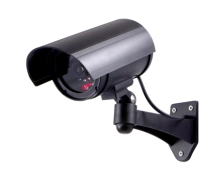
Flexible Configurations and Modes to Adapt to System
- • Same sensor can be used in different configurations for product variants
- • LI-HDR (line-interleaved) for systems with SOC exposure combination
- • eHDR (embedded) alleviates bottleneck of cable or SOC bandwidth limitations
- • Wake-on-Motion configured for low-power operation; detects motion
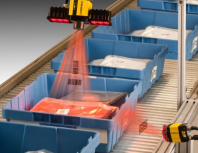
Multiple Sensor Options for Versatility/Scalability
- • All sensors include eHDR, LI-HDR, Wake-on Motion
- • AR0822 - 8 MP, 1/2” at 60 fps – (ES - Now – MP Now)
- • AR0246 - 2 MP, 1/4” at 60 fps – (ES - Now, MP - Q4’23)
- • Applications: Car DVR, Performance Security, Home Security, Robotics
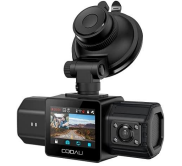
Features and Benefits
- • On-board eHDR up to 120 dB for multi-camera, remote
- • Line-Interleave HDR for systems with SOC HDR
- • High Sensitivity, Low read noise
- • Scalable family (eHDR, eDR)
- • Multiple CFAs – RGB, Mono, RGB-IR
Target Applications
- • Car DVR
- • High-End Security
- • Machine Vision
- • Robotics
- • Aerial surveillance (UAV, drones)
Hyperlux LH - High Performance HDR with Low-light
| Key Parameters | AR0822 | AR0246 |
| Resolution | 8 MP, 3840 x 2160 | 2 MP, 1920 x 1080 |
| Pixel, Color Filter | 2.0 µm BSI, RGB/Mono | 2.0 µm BSI, RGB/Mono/RGB-IR |
| Optical Format | 1/1.8-inch (16:9) | 1/4-inch (16:9) |
| Chief Ray Angle | 100 | 100, 280 |
| Output - Serial | 4-Lane MIPI, 1.8G/lane | 2-Lane MIPI, 1.8G/Lane |
| Frame Rate at full resolution | Linear: 60 fps (MIPI-4 lane) eHDR: 30 fps (MIPI-4 lane) xDR: 30 fps (MIPI-4 lane) |
Linear: 60 fps (MIPI-2 lane), eHDR: 30 fps (MIPI-2 lane) xDR: 30 fps (MIPI-2 lane) |
| SNR1 | 0.49 dlux | |
| Dynamic Range | 120 dB | |
| Subsampling Modes | Binning/Skipping/Summing | |
| Value Added Features | Wake-on-Motion, eHDR | Wake-on-Motion, eHDR with ALTM |
| Operating Temperature Optimal Performance |
-300C to +850 C (Junction) 00C <tj<>0C</tj<> | |
| Package | mPBGA | CSP |
Hyperlux SG - High-Performance, Small Form Factor Global Shutter
Best-in-class Global Shutter Efficiency minimizes motion artifacts
- • Critical for applications with objects at fast angular velocity such as AR/VR, Machine Vision
- • Minimizes issues related to vibration for barcode scanning, device inspection
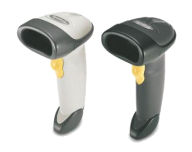
Features and Modes Designed For Industrial
- • Programmable and switchable ROIs
- • Auto-Exposure and Control to adapt to dynamic lighting
- • Trigger, strobe controls for precision active illumination
- • Low-power operation for battery powered devices
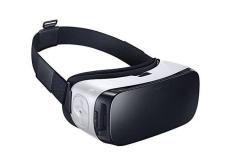
Range of small devices for portable and fixed function devices
- • Three sensors ranging from VGA to 2 MP
- • ARX383 - VGA, 1/8” at 120 fps – (In Production)
- • AR0145 - 1 MP, 1/4” at 120 fps – (ES - Now, MP - Q4’23)
- • AR0235 - 2 MP, 1/3” at 120 fps – (ES – Now, MP – Q1’24)
- • Applications: Barcode Scanning, AR/VR, Biometrics, Robotics, AMR

Features and Benefits
- • High global shutter efficiency for motion
- • On-board AE for variable lighting
- • Small form factor
- • Programmable ROIs
- • Trigger Mode and Strobe Controls
Target Applications
- • Mainstream Scanning
- • AR/VR
- • Biometrics
- • Access Control
- • Aerial surveillance (UAV, drones)
Hyperlux SG – High-Performance, Small Form Factor Global Shutter
| Key Parameters | ARX383 | AR0145 | AR0235 |
| Resolution | 640 x 480 (VGA) | 1200 x 800 (1MP) | 1920 x 1200 (2MP) |
| Pixel | 2.8µm GS | 2.8µm GS | 2.8µm GS |
| Optical Format | 1/8” | 1/4.3” | 1/2.8” |
| CRA | 00, 280 | 00, 280 | 00, 280 |
| CFA Options | Mono | Mono | Mono |
| Package | CSP, Die | CSP, Die | CSP, Die |
| Interface | MIPI | MIPI | MIPI |
| Frame Rate (Max Res) | 120 fps | 120 fps | 120 fps |
| Responsivity (ke/lx*sec ) | 41.9 (M) | 41.9 (M) | 41.9 (M) |
| Dynamic Range (dB) | 65.3 | 65.3 | 65.3 |
| SNRmax (dB) | 37 | 37 | 37 |
Hyperlux, 2.1 µm, 3 MP & 8 MP, 1/3.6-inch, CMOS Digital Image Sensor
The onsemi AR0341AT and AR0823AT are advanced automotive image sensors featuring 2.1 µm super-exposure pixel technology, achieving up to 150 dB high dynamic range (HDR) with LED flicker mitigation (LFM). Both sensors significantly reduce latency in critical automotive systems, enabling faster and safer data gathering and decision-making. The AR0341AT is designed following ASIL-C processes, while the AR0823AT follows ASIL-D processes, with sophisticated real-time safety mechanisms and fault detection features exceeding ASIL-B hardware metrics.

Applications
- • ADAS + Viewing Fusion
- • Automated Parking Assist Camera
- • Automotive Front Camera (ADAS)
- • Blind Spot Monitoring and Sensing
- • HDR Imaging
- • In-Cabin Monitoring
- • Mirror Replacement / e-Mirror(CMS)
- • Mono & Stereo Sensing Camera
- • Surround VStereoiew + Sensing
End Products
- • Automated Guided Vehicle (AGV)
- • Automotive Grade Dash Cam
- • LV2 / LV3+ Autonomous Driving Cars
- • Robotaxi / Robot Delivery
- • Trucking / Commercial Vehicle Display, ADAS
Features
- • AR0341AT
- • 1920 x 1536 at up to 60 fps
- • ASIL−C design process, ASIL-B hardware metrics
- • AR0823AT
- • 3840 x 2160 at up to 60 fps in SE mode
- • Designed following ASIL−D Process
- • 4-lane MIPI CSI−2
- • AEC−Q100 Grade 2
- • ASIL−C design process, ASIL-B hardware metrics
- • High−Performance 2.1 µm BSI Pixel with Super−Exposure HDR+LFM Mode
- • On−chip Combined HDR RAW Output, up to 26−bit (>150 dB) with effectively lossless compounding down to 24, 16, or 12−bit
- • Real-time Functional Safety Mechanisms and End of Frame Fault Reporting
- • Support for Full−resolution 150 dB HDR+LFM

AF0130 / AF0131 iToF Depth Sensor, 1.2MP, Global Shutter, Hyperlux™ ID
The AF0130 and AF0131 belong to the Hyperlux ID family. They are Indirect Time of Flight (iToF) sensors and are 1/3.2−inch optical format, back side illuminated (BSI) CMOS global shutter depth and imaging solution. The sensors have on−chip dual laser driver controls and modulation frequencies (up to 200 MHz) as well as on−chip laser eye−safety thresholds. The AF0130 sensor version comes with a depth processing ASIC stacked below its pixel area which calculates depth, confidence and intensity maps at high speeds from its laser modulated exposures. The AF0131 sensor version does not come with on−chip depth processing but does come with the same performance. This sensor is for solutions which prefer their own depth calculations off−chip.
Applications
- • Factory Automation (Picking, Palletizing, etc)
- • Manufacturing/Logistics (AMR, AGV, SLAM, etc)
- • Robotics
- • Access control
- • Biometrics
- • Gesture recognition
- • Spatial & 3D object recognition
- • Patient Monitoring
- • Virtual & Augmented Reality
- • Videoconferencing
End Products
- • Machine Vision Cameras
- • Warehouse Robots
- • 3D scanner
- • Facial recognition systems
- • Security gates
- • Video doorbells
- • Gaming
- • AR/VR/XR headsets
- • VC Endpoints, Webcam
- • Touchless Controller
Features
- • Built-in depth processing (AF0130)
- • High performance 1.2MP Global shutter BSI pixel
- • Unique integration and readout structure along with Global shutter and on-chip storage
- • Long depth distance sensing & high ambient light rejection
- • Standard development environment
| Product | Status |
| AF0130CSSM30SMD20 | Join the Waitlist |
| AF0130CSSM30SMKA1-CP | Join the Waitlist |
| AF0130CSSM30SMKA1-CP2 | Join the Waitlist |
| AF0130CSSM30SMKA1-CR | Join the Waitlist |
| AF0130CSSM30SMKA1-CR2 | Join the Waitlist |
| AF0131CSSM30SMD20 | Join the Waitlist |
| AF0131CSSM30SMKA1-CP | Join the Waitlist |
| AF0131CSSM30SMKA1-CP2 | Join the Waitlist |
| AF0131CSSM30SMKA1-CR | Join the Waitlist |
| AF0131CSSM30SMKA1-CR2 | Join the Waitlist |
| AF0130CSMM30SMKAH3-GEVK | Join the Waitlist |
| AGBENECS-GEVK | Join the Waitlist |
Short Wave Infrared (SWIR) Cameras and Sensors
Acuros CQD SWIR cameras provide high-resolution imaging and sensing capabilities across the visible, near-infrared (NIR), and shortwave infrared (SWIR) spectrum. The cameras are built using SWIR Vision System’s CQD photodiode sensors with spectral response from 400 nm to 1700 nm for standard SWIR sensors and 400 nm to 2100 nm for eSWIR sensors. They feature high frame rates, global shutter operation, and up to 70 dB of dynamic range.
Acuros CQD SWIR cameras are designed to meet the imaging requirements of demanding industrial applications. They provide system integrators, vision solution providers, and end users the flexibility of programmable frame time, exposure time, gain modes, window modes, binning modes, and more. Designed for use in multi-tool imaging systems, they can be operated with an internal clock or can be externally triggered via software or a hardware TTL trigger input.
- The family of Acuros cameras is available in a variety of Acuros sensor sizes:
- • 6 MP, 2098 x 2040 format sensor
- • 4.2 MP, 2040 x 2040 format sensor
- • 2.1 MP, 1920 x 1080 format sensor
- • 1.2 MP, 1280 x 1024 format sensor
- • VGA, 640 x 512 format sensor


Features
- • Full Visible-to-SWIR bandwidth
- • TEC cooling for low noise
- • Software GUI for camera control
- • Pixel non-uniformity correction
- • SDK included for user development
- • Compatible with range of SWIR lenses
- • USB3 Vision, GigE Vision and Camera Link® interfaces
Applications
- • Machine Vision
- • Silicon Inspection
- • Laser Beam Profiling
- • Surveillance
- • Hyperspectral imaging
- • Chemical Sensing
- • Agriculture
- • Medical Imaging
| OPN | Value |
| ACUROS-0640-GIGE-001 | VGA Acuros CQD SWIR camera |
| ACUROS-0640-GIGE-002 | VGA Acuros CQD eSWIR camera |
| ACUROS-0640-GIGE-003 | VGA Acuros CQD SWIR camera for laser beam profiling |
| ACUROS-0640-GIGE-004 | VGA Acuros CQD eSWIR camera for laser beam profiling |
| ACUROS-0640-USB3-001 | VGA Acuros® CQD® SWIR camera |
| ACUROS-0640-USB3-002 | VGA Acuros CQD eSWIR camera |
| ACUROS-0640-USB3-003 | VGA Acuros CQD SWIR camera for laser beam profiling |
| ACUROS-0640-USB3-004 | VGA Acuros CQD eSWIR camera for laser beam profiling |
| Dynamic Range (dB) | 59 dB |
| ACUROS-1280-GIGE-001 | 1.2 MP Acuros CQD SWIR camera |
| ACUROS-1280-GIGE-002 | 1.2 MP Acuros CQD eSWIR camera |
| ACUROS-1280-GIGE-003 | 1.2 MP Acuros CQD SWIR camera for laser beam profiling |
| ACUROS-1280-GIGE-003 | 1.2 MP Acuros CQD SWIR camera for laser beam profiling |
| ACUROS-1280-GIGE-004 | 1.2 MP Acuros CQD eSWIR camera for laser beam profiling |
| ACUROS-1280-USB3-001 | 1.2 MP Acuros CQD SWIR camera |
| ACUROS-1280-USB3-002 | 1.2 MP Acuros CQD eSWIR camera |
| ACUROS-1280-USB3-003 | 1.2 MP Acuros CQD SWIR camera for laser beam profiling |
| ACUROS-1280-USB3-004 | 1.2 MP Acuros CQD eSWIR camera for laser beam profiling |
| ACUROS-1920-GIGE-001 | 2.1 MP Acuros CQD SWIR camera |
| ACUROS-1920-GIGE-002 | 2.1 MP Acuros CQD eSWIR camera |
| ACUROS-1920-GIGE-003 | 2.1 MP Acuros CQD SWIR camera for laser beam profiling |
| ACUROS-1920-GIGE-004 | 2.1 MP Acuros CQD eSWIR camera for laser beam profiling |
| ACUROS-1920-USB3-001 | 2.1 MP Acuros CQD SWIR camera |
| ACUROS-1920-USB3-002 | 2.1 MP Acuros CQD eSWIR camera |
| ACUROS-1920-USB3-003 | 2.1 MP Acuros CQD SWIR camera for laser beam profiling |
| ACUROS-1920-USB3-004 | 2.1 MP Acuros CQD eSWIR camera for laser beam profiling |
PYTHON – A fast and versatile family of Global Shutter Image sensors
Key Features
Industry leading frame rate capability
- • All PYTHON family members feature the quadratic speed increase in case of ROI read out (frame rate increases also in case x or the width of the window is reduced)
- • The default frame rate is high enough to cover most applications
Resolutions ranging from VGA up to 25Mp
- • 8 resolutions covering a broad range of applications
- • Square and rectangular aspect ratios to maximize the use of the available FOV
- • Various resolutions and speed grades providing a cost-efficient imaging solution
Pin compatibility amongst various resolutions
- • Reduced Time-to-Market
- • One footprint supports all resolutions from 300Kp up to 1.3Mp, a second footprint supports the range from 2Mp up to 5Mp and a third footprint covers 16Mp up to 25Mp
- • All PYTHON family member have the same ‘look and feel’ (IP reuse)
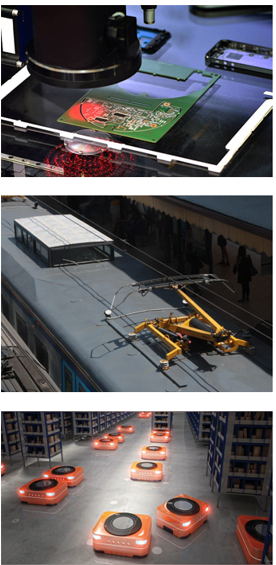
Target Applications
- • Generic Machine Vision
- • Battery Inspection
- • Semiconductor Inspection
- • ITS, Intelligent Transportation Systems
- • Railway inspection (Pantograph)
| Parameters | Value |
| Resolution | 300kp – 25Mp |
| Pixel Architecture | 4.5 (16-25Mp)/4.8m (300k-5Mp), FSI Global shutter |
| Optical Format | 1/3.3” up to APS-C |
| Color Filter Array (CFA) | RGB / Monochrome / NIR |
| Chief Ray Angle (CRA) | 0, 10 degrees |
| Interface | Up to 32 LVDS |
| Frame Rates @ Full Resolution | 815 full frames per second (fps) for the PYTHON300, up to 80fps for the PYTHON25K |
| Enhanced NIR QE | >0.2 at 850nm |
| Dynamic Range (dB) | 59 dB |
| Subsampling Modes | >1) Read one – skip one, (Mono) 2) Read two – skip two (Color) |
| Operating temp | 40 – 85 oC |
| Package | CLGA / uPGA |
XGS – A versatile family of Global Shutter Image sensors
Resolutions ranging from 2Mp up to 45Mp
- • 11 resolutions covering a broad range of applications
- • Square and rectangular aspect ratios to maximize the use of the available FOV
- • Various resolutions and speed grades providing a cost-efficient imaging solution
Full pin compatible
- • Reduced Time-to-Market
- • One footprint supports all resolutions from 2Mp up to 16Mp, while a second footprint supports the range from 20Mp up to a 45Mp
- • All XGS family member have the same ‘look and feel’ (IP reuse)
Lower than state-of-the-art power dissipation
- • Up to 2x the power savings compared to competition
- • Easier thermal management of the camera
- • Less impact on sensor performance (dark current, read noise, etc)
- • Lower cost support electronics
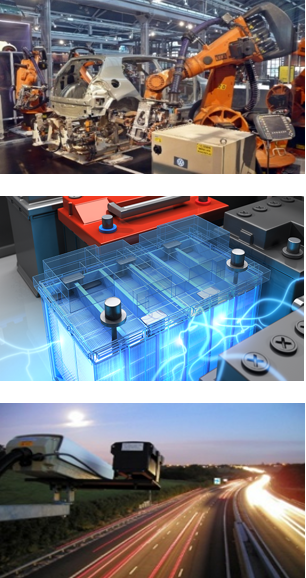
Target Applications
- • Generic Machine Vision
- • Battery Inspection
- • Semiconductor Inspection
- • ITS, Intelligent Transportation Systems
- • Broadcast (8K at 60fps)
| Parameters | Value |
| Resolution | 2Mp – 45Mp |
| Pixel Architecture | 3.2um, FSI Global shutter |
| Optical Format | 1/2.2” up to super 35mm |
| Color Filter Array (CFA) | RGB / Monochrome |
| Chief Ray Angle (CRA) | 0, 4.7 or 7.3 degrees |
| Interface | 6-24 lanses HiSpi |
| Frame Rates @ Full Resolution | 220 full frames per second (fps) for the XGS 2000, up to 47fps for the XGS 45000 |
| Enhanced NIR QE | >0.2 at 850nm |
| Dynamic Range (dB) | 68 dB |
| Subsampling Modes | >Read one – skip one, (Mono) Read two – skip two (Color) |
| Typ. Power Efficiency (mW/fps) | 100 mW/fps |
| Operating temp | -40 – 85 oC |
| Package | CLGA |
Implementing an imaging system requires a thorough analysis of the requirements, evaluation, and prototyping to ensure that the final solution achieves business objectives. Comprehensive solution providers, like Arrow, offer solutions for chip-down and module options and can also support with design services.
Arrow's image sensing ecosystem simplifies design, reduces risk, and lowers time-to-market for solutions based on onsemi image sensors. Coupled with service offerings for every step of the design and deployment phase, Arrow helps OEMs develop leading applications for industrial, automotive, consumer, and healthcare markets.
| Technology | Ecosystem | |||||||||||||||
|---|---|---|---|---|---|---|---|---|---|---|---|---|---|---|---|---|
| ADLINK | APPLETEC Ltd. | Baster | eInfochips | Intel | Lattice | Leopard Imaging | Microchip | NVIDIA | NXP | OMRON | onsemi | Qualcomm | STMicro | Thundercomm | Timesys | |
| Image sensor | ✓ | |||||||||||||||
| Camera Module | ✓ | ✓ | ✓ | ✓ | ||||||||||||
| ISP/MPU/FPGA | ✓ | ✓ | ✓ | ✓ | ✓ | ✓ | ✓ | ✓ | ✓ | ✓ | ✓ | ✓ | ✓ | |||
| SW Firmware/ Driver, Tuning | ✓ | ✓ | ✓ | ✓ | ✓ | ✓ | ✓ | ✓ | ✓ | ✓ | ||||||
| Smart Camera | ✓ | ✓ | ✓ | ✓ | ||||||||||||


Appleye Compact Camera Modules (CCM)
| Description | Part Number |
| Compact camera module based on onsemi AR1335 sensor | AP-VISION-AR1335-74 |
| Compact Camera module based on AR0830 | AP-VISION-AR0830-83 |
Interface Boards
| Description | Part Number |
| Interface board to the NXP MCIMX8M-EVKB mini SAS camera connector | ARR-ONS-IAS2-NXP |
| Adapter board to the eInfochips Qualcomm EICQRB5165 30-pin camera connector | ARR-ONS-IAS2-QRB |
| Adapter board to a 15-pin camera connector | ARR-ONS-IAS2-CSI2 |
| Shiratech 96boards mezzanine card based on onsemi AR1335 image sensor | SRT-Vision96-AR1335 |
| Shiratech 96boards mezzanine card based on onsemi AR0830 image sensor | SRT-Vision96-AR0830 |
Development Boards
| Description | Part Number |
| onsemi Demo3 base board | AGB1N0CS-GEVK |
| Camera module Adapter Board: PRISM to Demo3 system | PRISM1-ADPTR-DM3D1-GEVB |
| NXP evaluation board | MCIMX8M-EVKB |
| 96boards single-board computer powered by the NXP i.MX 8M SoC, incorporating a quad-core 64-bit ARM® Cortex-A53 | I.IMX8_THOR96 |
| ST Microelectronics Avenger96 board features dual ARM® Cortex-A7 cores and an ARM® Cortex-M4 core | STM32MP157AAC |
| eInfochips Qualcomm® ARR-ONS-IAS2-QRB adapter board and 30-pin ribbon cable | EICQRB5165 |
| PRISM1-ADPTR-NXPM1-GEVK adapter board and 22-pin ribbon cable | NVIDIA® Jetson Orin Nano™ Developer Kit |

Download now