
| Compliant | |
| EAR99 | |
| Active | |
| 8542.39.00.30 | |
| Automotive | No |
| PPAP | No |
| General Purpose | |
| SAR | |
| 16bit | |
| 1 | |
| 1 | |
| 100ksps | |
| Serial (3-Wire, 4-Wire, SPI) | |
| Voltage | |
| Pseudo-Differential | |
| External | |
| Unipolar | |
| Single | |
| 5V | |
| 0.7 | |
| 1.2 | |
| ±2LSB | |
| ±0.01%FSR | |
| 93dB(Typ) | |
| 16 | |
| Yes | |
| No | |
| -40 | |
| 85 | |
| Tape and Reel | |
| Mounting | Surface Mount |
| Package Height | 0.95(Max) |
| Package Width | 3.1(Max) |
| Package Length | 3.1(Max) |
| PCB changed | 10 |
| Standard Package Name | SON |
| Supplier Package | VSON EP |
| 10 | |
| Lead Shape | No Lead |
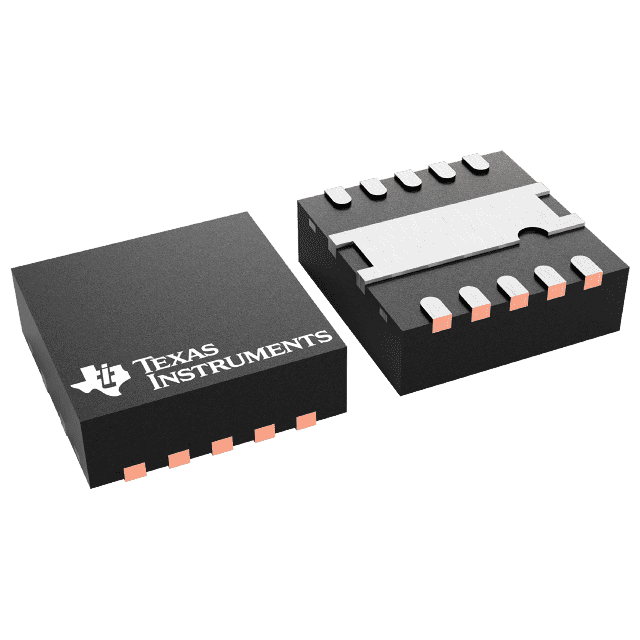
Do you need to perform calculations on real world physical signals such as light or temperature? Then use this ADS8866IDRCR ADC from Texas Instruments to convert those analog signals to digital data that a computer can read! It has a pseudo-differential input signal. This device is based on SAR architecture. Its maximum power dissipation is 1.2 mW. This device's digital interface is serial (3-wire, 4-wire, spi). This ADC has a resolution of 16bit. This ADC has an input voltage of 5 V. This ADC has a minimum operating temperature of -40 °C and a maximum of 85 °C.
| EDA / CAD Models |
Design AI-powered medical devices
Explore system design tips, part recs and AI insights to help you build faster, safer diagnostic and therapy solutions—all in Arrow’s latest white paper.